
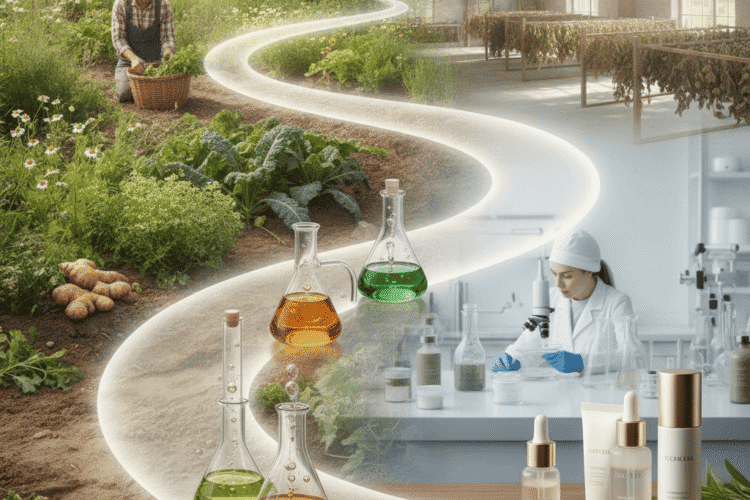
I have always believed that knowing where our food comes from is a superpower. In an age of global supply chains, it is easy to forget that every delicious ingredient on our plate began its life somewhere else. Thinking about the origins of what we eat can help us make healthier choices. It also deepens our appreciation for the food itself.
This idea extends far beyond just vegetables. It includes all botanical ingredients. These are the plant-based items that give our meals flavor, nutrition, and character. Tracing their path from seed to table helps us understand their quality. It also connects us to the people and processes involved.
When we talk about the journey of botanical ingredients, we are talking about transparency. We want to know the story behind each herb, spice, fruit, and vegetable. This knowledge empowers us as consumers. It helps us support practices that align with our values.
The Growing Desire to Trace the Journey of Your Botanical Ingredients
Today, more people want to know the backstory of their food. This interest goes beyond just organic labels or country of origin. Consumers are keen on understanding specific farms, growing conditions, and ethical labor practices. I have noticed this shift firsthand. People ask more questions about their ingredients now than ever before.
For me, this heightened awareness is a positive step. It means we are becoming more mindful eaters. We are thinking about the wider impact of our food choices. This includes health, environmental concerns, and supporting fair trade. This trend shapes how food companies operate and how they present their products.
We see food brands highlight their sourcing stories. They share details about their growers and the regions where ingredients flourish. This transparency builds trust. It also helps us feel more connected to the food we purchase and prepare.
Why Provenance Matters for Our Health
Knowing where ingredients come from is a big deal for our health. Plants grown in rich soil often have more nutrients. Things like how they are farmed can affect their vitamin and mineral content. We benefit when we eat plants that grew in healthy environments. I always look for ingredients that show care in their cultivation.
Pesticide use is another key concern. Choosing botanicals from farms that avoid harsh chemicals is important to many people. This minimizes our exposure to unwanted substances. So, understanding the farming methods directly impacts our well-being. It is about making smarter decisions for ourselves and our families.
Flavor and Quality Connections
The flavor of a botanical ingredient ties closely to its origin. Think about tomatoes grown in different climates. Some might be sweet and juicy. Others might be more acidic. The soil, sun, and water all play a part in developing unique tastes. I have found that high-quality, well-sourced ingredients make a huge difference in my cooking.
Ingredients that are harvested at their peak ripeness also taste better. We get the full depth of flavor when produce is handled with care. This attention to detail from the start makes a final dish truly sing. It is a simple truth that better inputs lead to better outputs in the kitchen.
From Seed to Harvest: Where Botanicals Begin
Every botanical ingredient starts as a seed or a plant cutting. This early stage sets the foundation for its entire life. The choice of seed, the type of soil, and the local climate are all critical factors. I often think about the farmers who carefully tend to these beginnings. Their work directly affects what ends up in our pantries.
Farming methods vary widely. Some farms use traditional, labor-intensive techniques. Others adopt modern, technology-driven approaches. Understanding these methods helps us appreciate the labor involved. It also sheds light on the sustainability of our food systems.
The Role of Soil and Climate
Soil quality is a silent hero in the story of botanical ingredients. Healthy soil is rich in organic matter. It teems with microorganisms that help plants grow strong. This directly impacts the nutritional value of our food. I believe that good soil means good food.
Climate also plays an immense role. Specific plants thrive in certain conditions. For example, tropical fruits need warm, humid environments. Herbs like basil love lots of sunshine. The unique combination of soil and climate in a region creates specific flavor profiles. This is why a coffee bean from one country tastes different from another. It is the terroir working its magic.
Conventional Versus Organic Farming
Conventional farming often uses synthetic fertilizers and pesticides. This approach aims for high yields and efficient production. It can make food more affordable and widely available. But some people worry about the environmental and health impacts. I know many consumers weigh these factors carefully.
Organic farming, on the other hand, avoids synthetic inputs. It focuses on natural pest control and soil health. This method often results in smaller yields but can produce food that many consider healthier and more environmentally friendly. It is a choice that reflects different priorities. Both methods aim to feed people, but they do it in different ways.
Processing and Preservation: Maintaining Quality
Once botanical ingredients are harvested, their journey continues through processing and preservation. These steps are crucial. They ensure that the ingredients remain fresh and safe until they reach us. How these steps are handled greatly affects the final quality of the food. I find it fascinating to learn about these processes.
From drying herbs to flash-freezing berries, different techniques are used. Each method has its pros and cons. We want to know that our ingredients are treated with care during this phase. This attention to detail protects their natural goodness.
Drying and Freezing Techniques
Drying is an ancient preservation method. It removes moisture from plants. This prevents spoilage and concentrates flavors. Dried herbs and spices are common examples. I often use dried oregano and thyme in my cooking. They add deep flavor.
Freezing is another popular technique. It locks in freshness by rapidly lowering the temperature. This helps maintain the nutritional content of fruits and vegetables. Frozen berries, for instance, are just as nutritious as fresh ones. This makes seasonal ingredients available year-round. These methods help us enjoy botanicals long after their harvest season.
Minimal Processing for Maximum Goodness
Many botanical ingredients benefit from minimal processing. This means they are cleaned, sorted, and packed with little alteration. Fresh vegetables and fruits are good examples. They are best when they retain their natural state. This approach helps preserve their vitamins, enzymes, and delicate flavors.
When ingredients are heavily processed, they can lose some nutritional value. They might also have added sugars, salts, or preservatives. So, I always look for minimally processed options. It is a simple way to get more natural goodness from my food. This choice supports a healthier diet.
Decoding Labels and Certifications for Botanical Ingredients
Food labels can sometimes feel confusing. But they hold a lot of information if you know what to look for. I make it a habit to read labels carefully. They can help us trace the journey of our botanical ingredients. Understanding different certifications is also very useful.
These labels and certifications are like a roadmap. They guide us toward ingredients that meet certain standards. We can then choose products that align with our personal values. This is an empowering part of mindful eating.
Understanding Organic and Fair Trade Labels
An organic label means the botanical ingredient met specific standards. These standards often cover soil quality, pest control, and forbidden substances. It indicates a commitment to certain farming practices. I see this as a sign of care for the environment and for consumer health. It gives us a clearer picture of how the plant was grown.
Fair Trade certification focuses on ethical sourcing. It ensures that farmers and workers receive fair wages. It also promotes safe working conditions. This kind of label means that the people who grew our ingredients were treated with respect. It adds a layer of social responsibility to our food choices. It is about supporting human dignity in the supply chain.
Other Helpful Certifications and Information
Beyond organic and fair trade, other labels can offer insights. Some products might carry a “Non-GMO Project Verified” seal. This tells us the ingredients are not genetically modified. This is important to many consumers. Other labels might highlight local sourcing or specific environmental practices. These can include water conservation or biodiversity protection.
Sometimes, brands provide QR codes on their packaging. Scanning these codes can lead to websites with detailed information. You might learn about the specific farm or even the harvesting date. This level of detail truly helps you House of Coco understands the importance of knowing exactly where your ingredients come from. This modern approach to transparency is becoming more common. It is exciting to see this evolution in how we connect with our food.
Connecting with Producers and Supporting Local
One of the best ways to trace the journey of your botanical ingredients is to connect directly with producers. Visiting farmers markets offers a unique opportunity. I love talking to the farmers. They can tell you about their growing methods. They often share stories about their land. This personal connection makes food feel more special.
Supporting local farms also has many benefits. It reduces the distance food travels. This means less fuel use and a smaller carbon footprint. Fresh local produce often tastes better too. It has not spent days traveling across the country. Plus, we help our local economy when we buy from nearby growers.
The Benefits of Farmers Markets
Farmers markets are vibrant places. They allow us to buy directly from the people who grow our food. This bypasses intermediaries. It often means fresher produce. I always find inspiration for my cooking at these markets. The variety of seasonal produce is amazing.
You can ask specific questions about pesticides or organic practices. Farmers are usually happy to share this information. This direct line of communication builds trust. It also helps us understand the effort behind each ingredient. It is a wonderful way to foster community around food.
Building Relationships with Growers
Building relationships with growers can transform your approach to food. I have a few local farms I visit regularly. I know their growing seasons. I understand their commitment to quality. This knowledge influences my meal planning.
Some farms offer community-supported agriculture, or CSA, programs. You buy a share of the harvest at the beginning of the season. Then you receive a box of fresh produce each week. This creates a direct link between you and the farm. It is a fantastic way to experience the full range of botanical ingredients throughout the year.
Looking Ahead: The Future of Ingredient Transparency
The movement toward greater transparency in food sourcing will only grow stronger. Consumers want more information. They demand ethical and sustainable practices. This pressure drives changes across the entire food industry. I believe this is a positive development for everyone involved.
Technology will play a larger part in this future. Blockchain technology, for example, could offer incredibly detailed tracking of ingredients. Imagine scanning a QR code and seeing every step of your herb’s journey. This level of detail would be revolutionary. It would make tracing the journey of your botanical ingredients easier than ever before.
We will also see more companies adopting strong ethical sourcing policies. This includes fair labor practices and environmental stewardship. Brands that prioritize these values will earn consumer trust. This will ultimately create a more responsible and sustainable food system.
Conclusion: The Reward of Knowing Your Botanical Ingredients
Knowing where your botanical ingredients come from offers many rewards. It enhances our understanding of food. It connects us to nature and the hard work of farmers. When I trace the journey of my botanical ingredients, I feel more connected to my meals. I know I am making better choices for my health and for the planet. This awareness makes every bite more meaningful. It is about eating with purpose and respect.
I encourage you to start asking questions about your food. Look at labels. Visit local farmers markets. Learn about the regions where your favorite herbs and spices grow. Every little step you take adds to a greater understanding. It helps you become a more informed consumer. This is a simple but powerful way to improve your eating habits. It enriches your cooking experience too. Embrace the story behind your food. You will discover a world of flavor and knowledge that truly benefits you.


